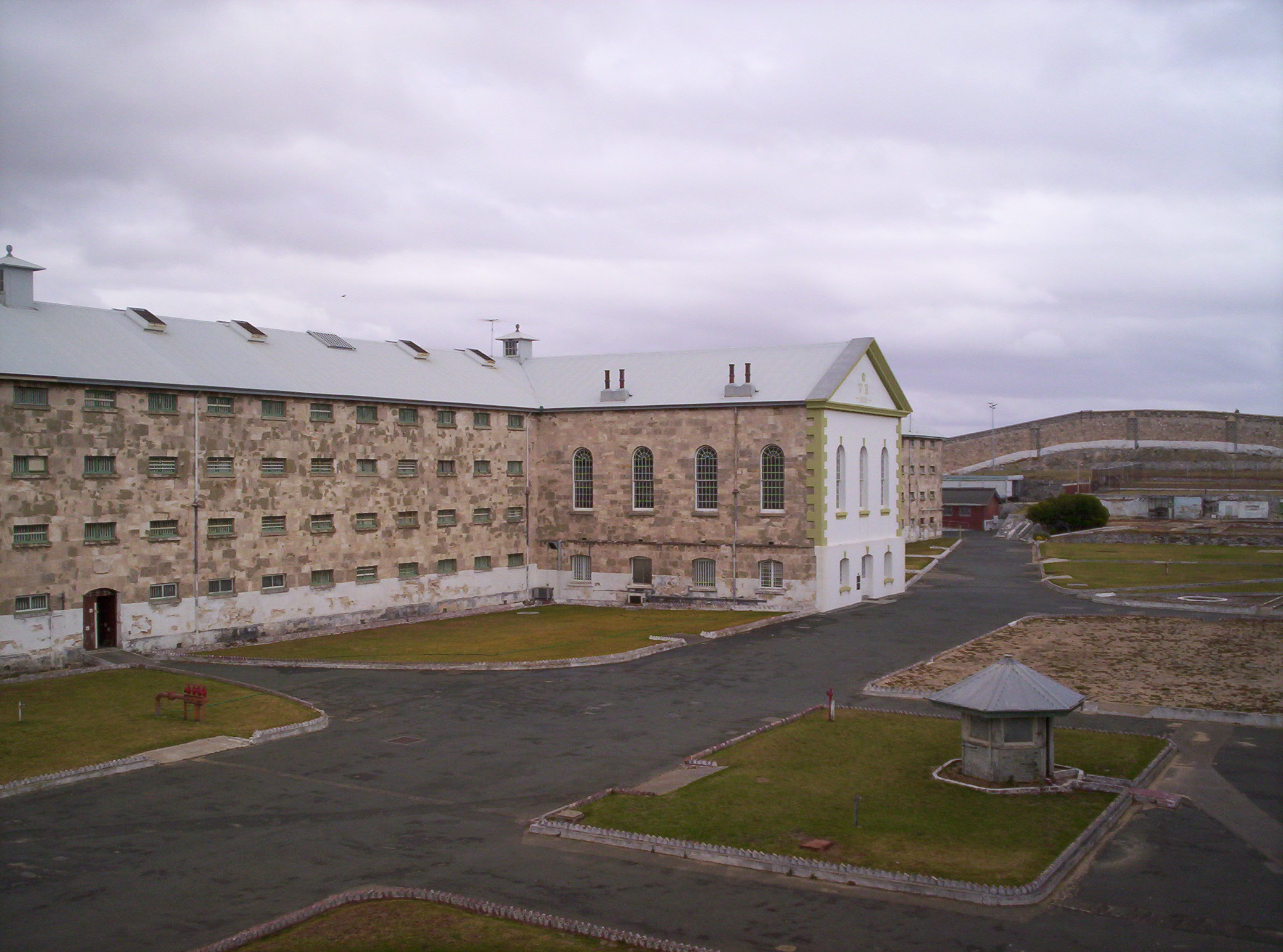
Fremantle Prison
If ever a man was deserving of whatever is the Irish equivalent of the description ‘righteous gentile’ it has to be Captain George Anthony, a man that few Irish people have ever heard of and one OF the least likely collaborators with a noteworthy Irish nationalist project. He was well compensated for his efforts on behalf of the Fenian movement, but he earned every dollar, and it was dollars in which he was paid. More on George Anthony later.
One thing you can say for the Fenians is that, while they may not have been top notch organisers of rebellions—which was really their raison d’etre—think the 1867 Rebellion which the Irish Constabulary (before they became ‘Royal’) were able to handle on their own, and the 1916 Rising, a military disaster that paid off in the longer term because of the knuckle-headedness of the British response.
But boy could those Fenians organise a stonking prison break.
They got James Stephens, their leader (‘Head Centre’) out of Richmond Gaol in Dublin in 1865 when he’d barely had time to unpack his toothbrush. Then in 1919 the IRB top dog, one Michael Collins, engineered the escape of Eamon de Valera from Lincoln Prison. But the greatest Fenian breakout of all time took place 150 years ago this week, the spectacular Catalpa rescue.
It all began with a letter.
This was a poignant missive sent by a jailed Fenian, James Wilson, to the New York Herald journalist and Clan na Gael leader, John Devoy, in New York. It began with the ominous words ‘Dear Friend, remember this is a voice from the tomb’.
Let’s backtrack. Who was James Wilson? Who was John Devoy? Where was ‘the tomb’?
Devoy and Wilson were both former members of the Irish Republican Brotherhood. They were also connected in that Devoy’s job within the IRB had been to recruit Irish soldiers in the British Army into the Fenian movement. Wilson, although not sworn in by Devoy himself, was one of sixteen British Army veterans who participated in the 1867 Rising (among them was the great Irish-American journalist John Boyle O’Reilly, later editor of The Boston Pilot) who were captured, court-martialled and sentenced to death. The sentences were later commuted to transportation. Within four years of the rebellion most of the Fenian veterans jailed—or transported to Australia—the so-called ‘civilian prisoners’, had been released or amnestied. These included Devoy himself who was exiled to the USA on board the ship the Cuba, becoming one of the ‘Cuba Five’. The fiery and erratic Jeremiah O’Donovan Rossa was one of the other members of the ‘Cuba Five’. They were obliged to remain in exile until their original prison terms would have naturally expired.
However, an exception was made by the British government of the ‘military prisoners’, the small cohort of former British soldiers who had been transported on board the last transport ship, the Hougoumont, sent from Britain to Western Australia (by then the only Australian province still taking prisoners from Britain). They had been given life sentences and they were going to die of old age in one of the most fearsome gaols in Australia, Fremantle Prison.
Fremantle might just as well have been Alcatraz, the famous Federal prison in San Francisco Bay from which there were no confirmed escapes[1]. Its impregnability was helped by the fact that it was surrounded by the frigid waters of the Bay. Fremantle was on the western Australian coast, so escape westwards was circumscribed by thousands of miles of empty sea and an equal number of hungry sharks. To the east was the great Australian bush in which only the indigenous Aboriginals had the nous and the guile to survive for more than a couple of days.
In 1874, writing on his own behalf and on behalf of five other ‘military’ prisoners with no hope of release from Fremantle, James Wilson managed to smuggle a twelve plage letter out of the prison. It struck an emotional chord with Devoy. The letter went as follows:
Dear friend,
Remember this is a voice from the tomb. For is not this a living tomb? In the tomb it is only a man’s body that is good for worms, but in the living tomb the canker worm of care enters the very soul. Think that we have been nearly nine years in this living tomb since our first arrest and that it is impossible for mind or body to withstand the continual strain that is upon them. One or the other must give way. It is in this sad strait that I now, in the name of my comrades and myself, ask you to aid us in the manner pointed out… We ask you to aid us with your tongue and pen, with your brain and intellect, with your ability and influence, and God will bless your efforts, and we will repay you with all the gratitude of our natures… our faith in you is unbound. We think if you forsake us, then we are friendless indeed.
James Wilson
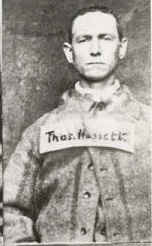
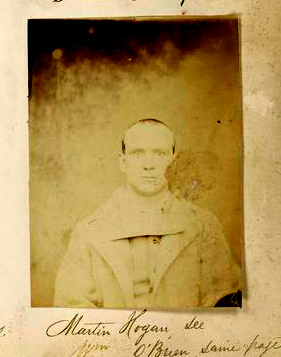
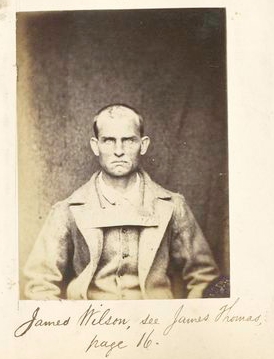
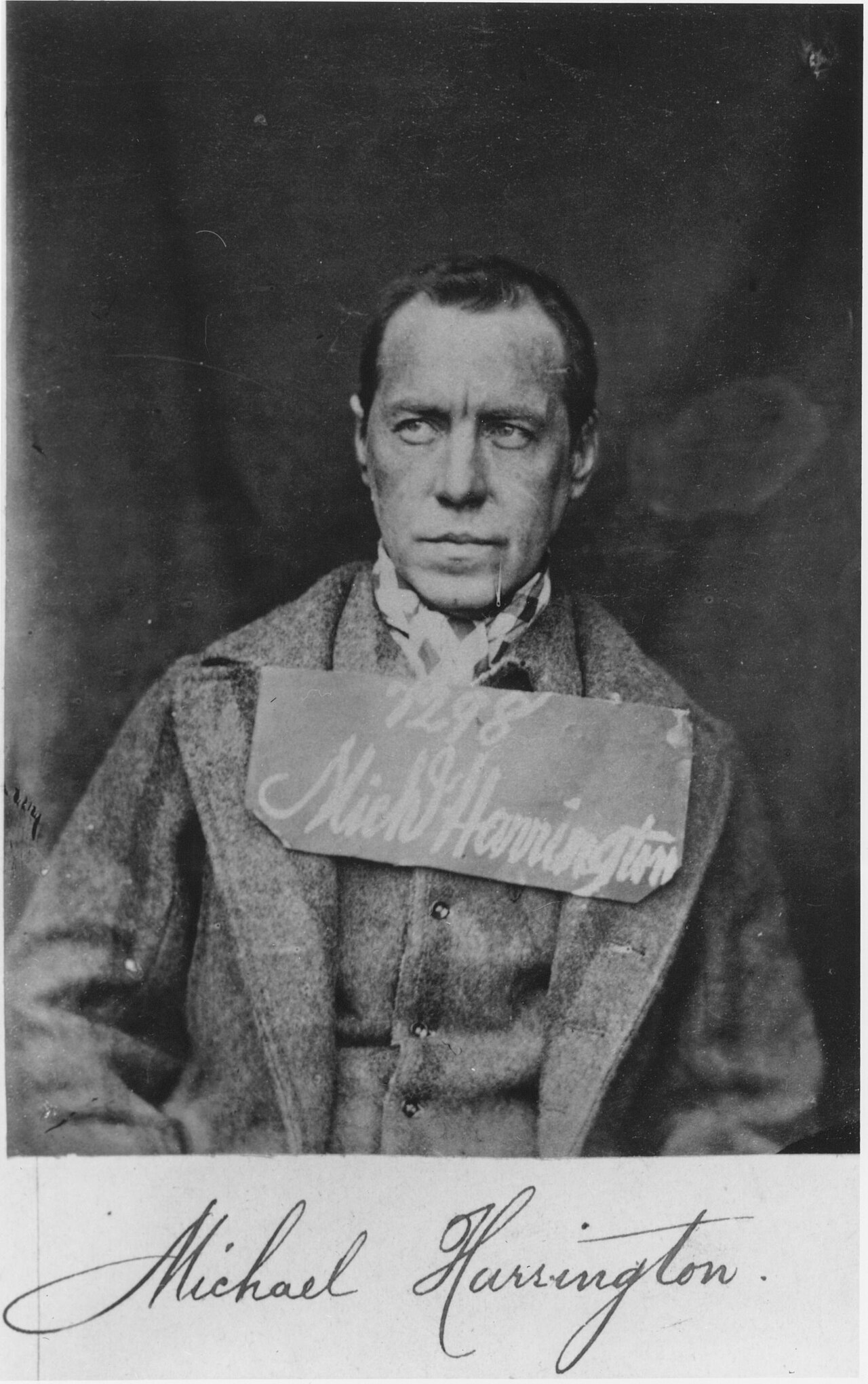
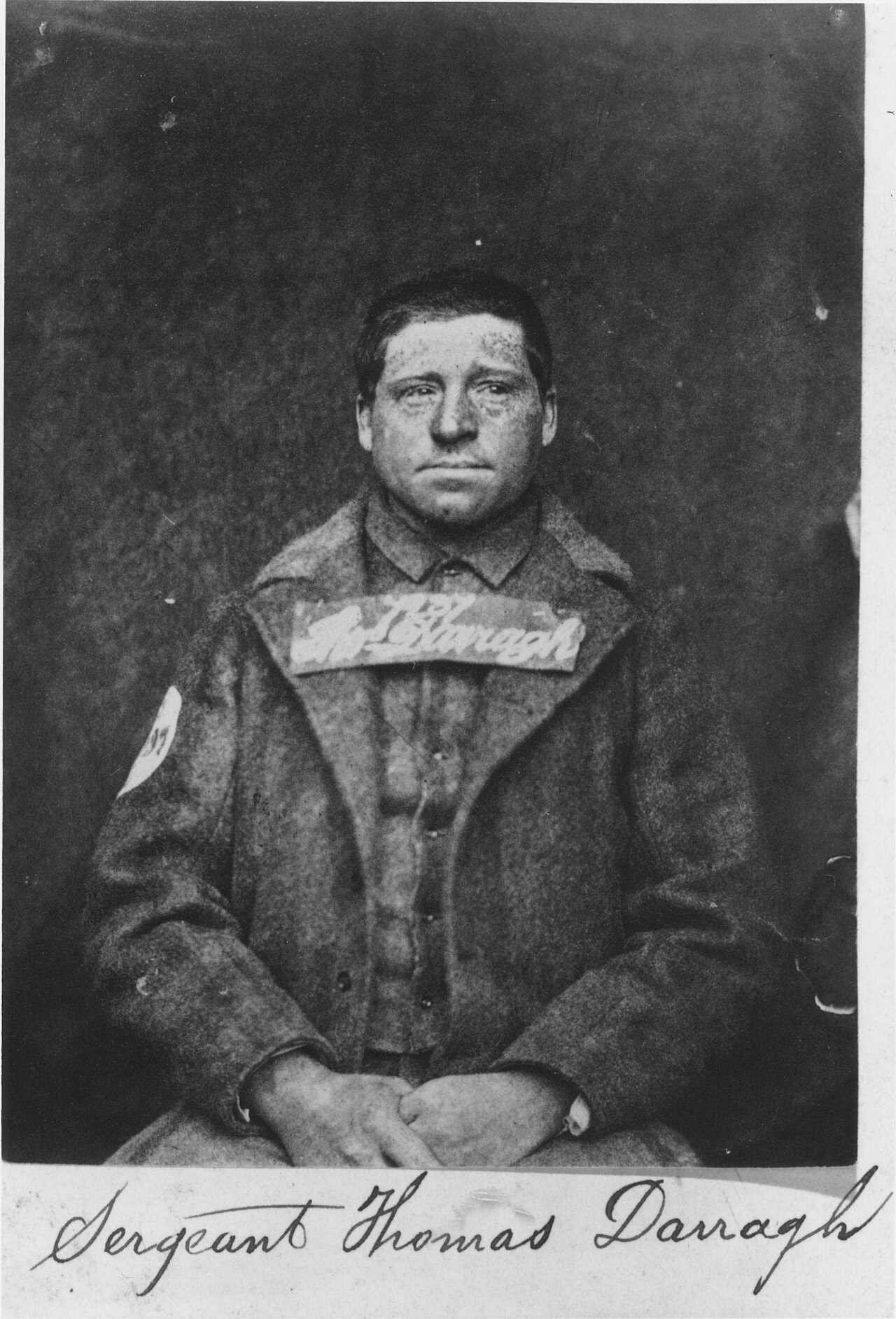
The Fremantle Six
James Wilson was one of six Fenians still mouldering in Fremantle Jail with little or no prospect of amnesty. The others were Thomas Darragh, Martin Hogan, Michael Harrington, Thomas Hassett, and Robert Cranston.[1] Devoy was conscious of the fact that the awful fate of the ‘military prisoners’ was, in part, attributable to his own recruiting efforts in the 1860s. The question was what, if anything, was he going to do about it? He could use his journalistic platform, and his prominence in the Irish-American republican organisation Clan na Gael, to start a concerted propaganda campaign aimed at the USA in an attempt to embarrass the British government into releasing the ‘military’ prisoners. Or, he could formulate and execute a daring plan that would secure the release of the prisoners from under the noses of the British colonial authorities. Devoy chose the latter option. James Wilson didn’t know it, but his letter had struck home.
Help was on the way.
[1] There was a seventh ‘military’ prisoner but he was persona non grata among his fellow Fremantle Fenians because he had offered to name a number of participants in the 1867 Rising in return for clemency. The offer was refused by the government but Wilson and the others were aware of it and shunned him. He would pay for his treachery by being excluded from the escape plans.
[1] Frank Lee Morris and the Anglin Brothers may or may not have escaped successfully from Alcatraz in 1960 so let’s not have a fight about it.
 Myles Dungan
You must be logged in to post a comment.