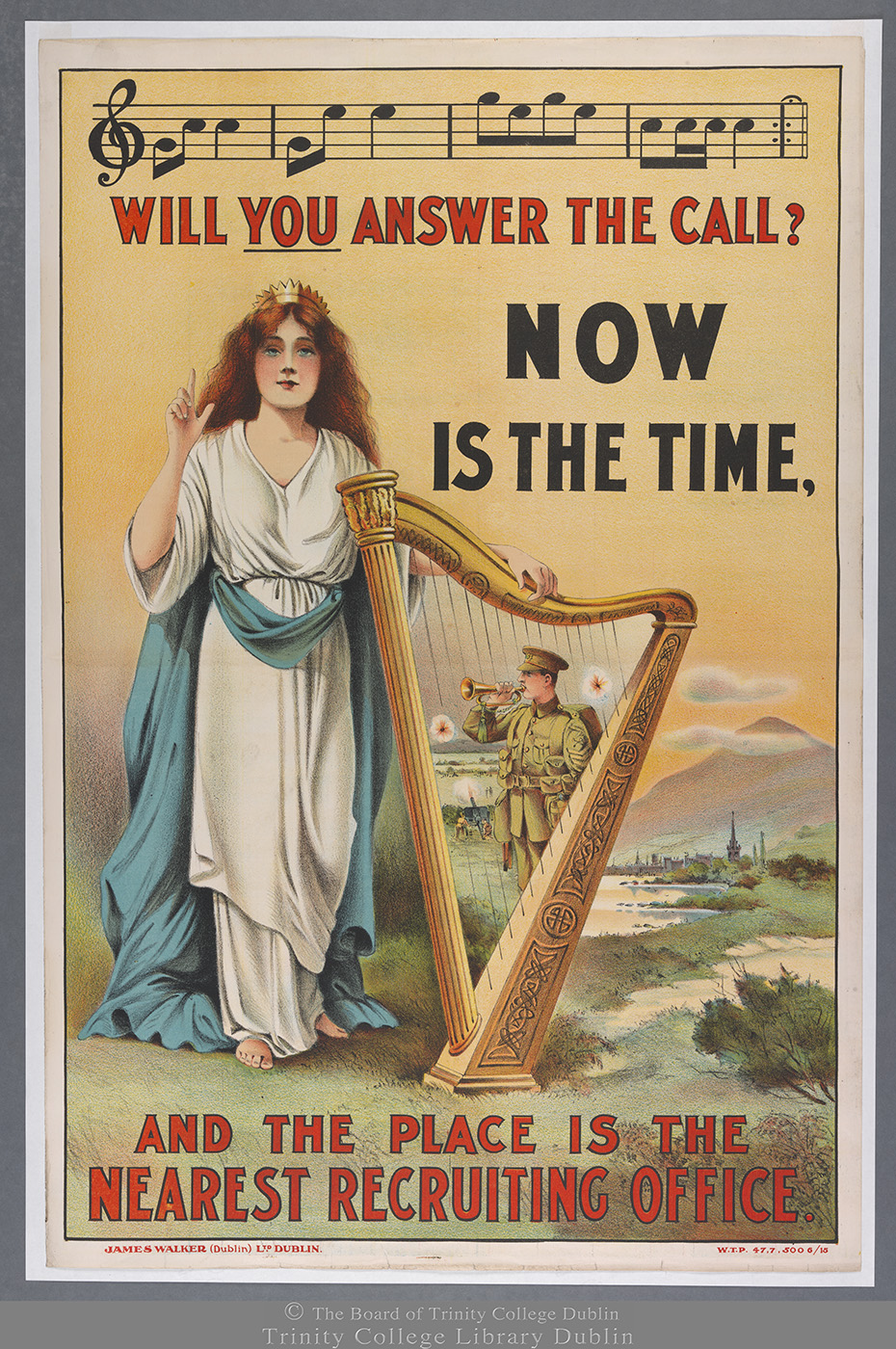
On This Day – Drivetime – 10.4.1918 – British Parliament proposes conscription in Ireland


1914-19181914-1918

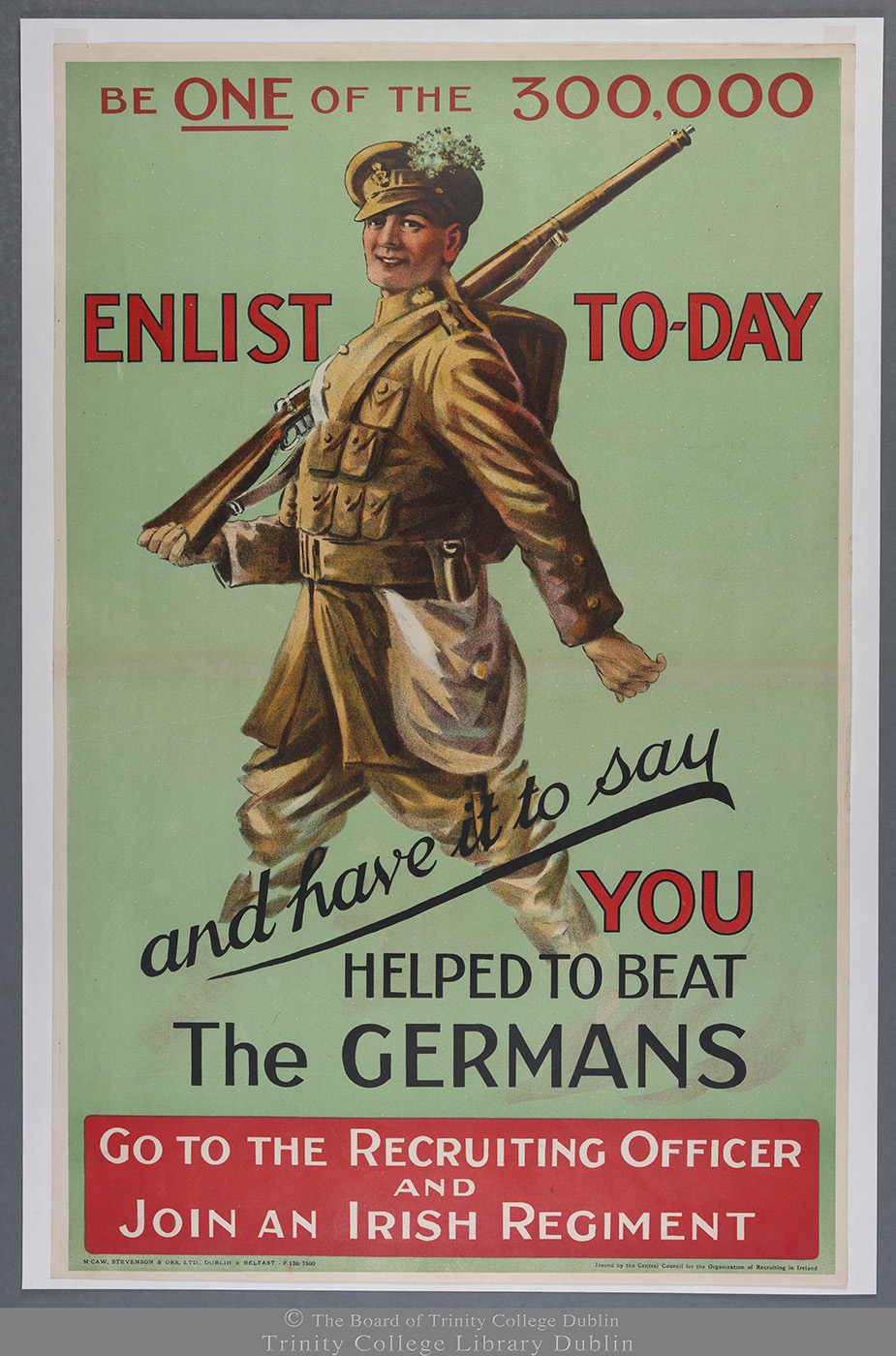
In late 1917 the British satirical magazine Punch, the Charlie Hebdo of its day, printed a cartoon, the context for which was the progress – or lack of it – of the First World War. It depicted two men with a large comb divided into equal parts marked ‘England, Ireland, Scotland and Wales.’ The Irish section was toothless. The magazine, not noted for its admiration of ‘John Bull’s other island’ was suggesting that this country was not sending enough of its young men to stop machine-gun bullets on the Western Front and that it was high time the government did something about it. Compulsory military service for men between 18-40 had been introduced in Britain in early 1916.

A few months after Punch’s barb Lloyd George’s administration, which had hesitated to bring conscription to Ireland, finally grasped the nettle with the introduction in the House of Commons of an amendment to the Military Service Act. This raised the age limit to fifty and ended Ireland’s exemption.

The move came, essentially, as a panic measure in the wake of the crippling and humiliating German offensive of 21 March 1918.

The Home Secretary, Sir George Cave, in proposing the extension of compulsory military service to Ireland observed that ‘we are advised that it will yield a large number of men.’ The doubly bereaved Irish MP and British Army officer, Captain William Archer Redmond, who had lost his father and uncle in the preceding nine months, inquired ‘May I ask the right hon. Gentleman who advised him?’ The implication was clear. The Irish, who had volunteered in respectable if unspectacular numbers, were not going to be forced to join the British Army.

Cave was then interrupted by a passionate interjection from the Irish Party MP for Kerry North, Michael Flavin who shouted, ominously, at the government benches, ‘You come over and try it.’
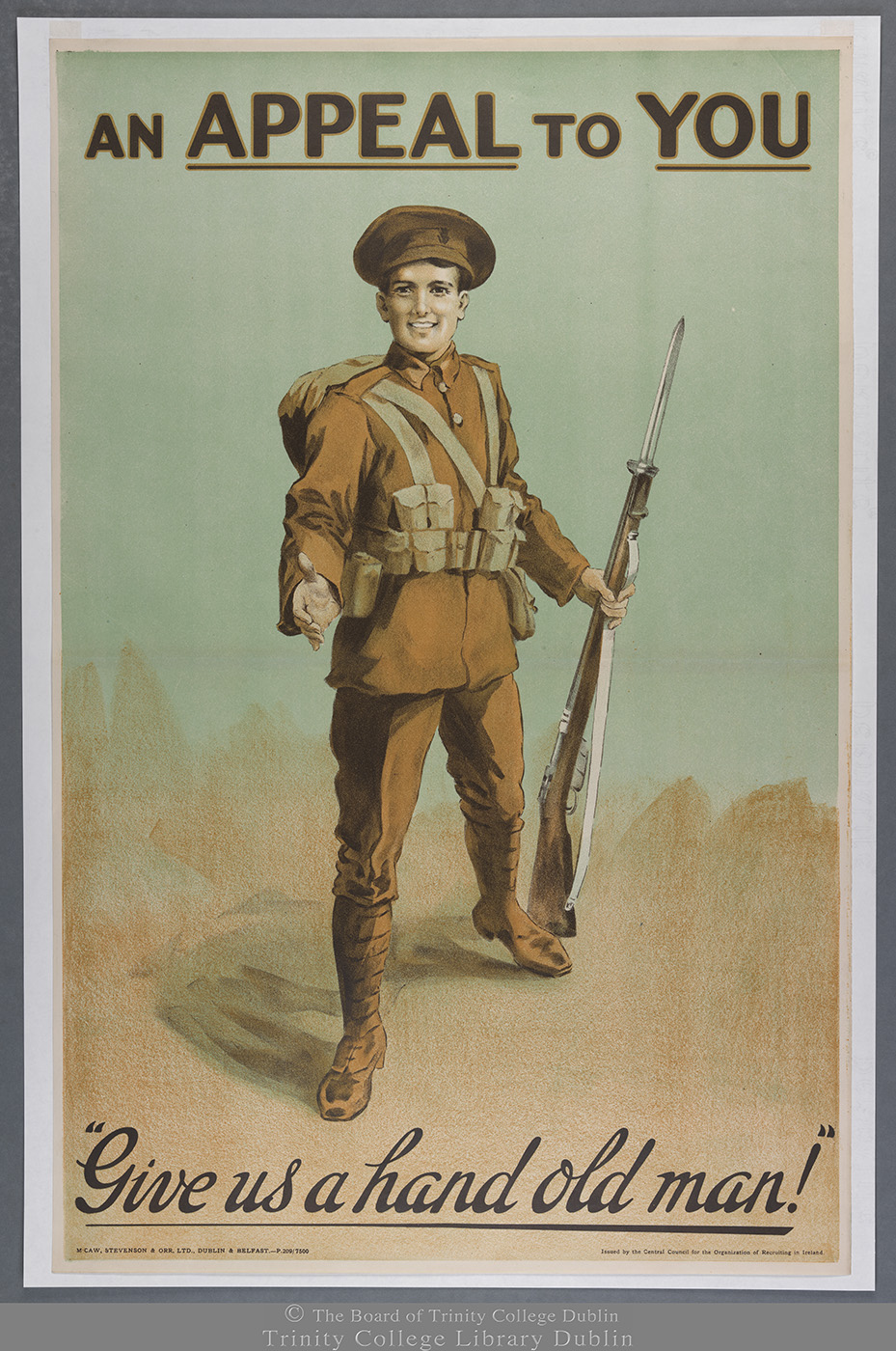
1914-1918

John Dillon, leader of the Irish party since the death the previous month of John Redmond, pointed out that the raising of the military age and the extension of conscription to this country would have no impact on the military disaster that was the German Spring offensive in terms of manpower. It would take months to train the new conscripts by which time it looked then as if the Germans would be drinking champagne on the Champs Elysee and accepting the surrender of France and Britain. As it happens, by the time the debate began the German offensive had already begun to peter out and it would not be long before the Allies rolled back the German gains and made huge advances of their own that ended the war in November.

That they did so without any Irish conscripts was a function of a concerted and determined campaign in Ireland. A national strike, the opposition of the Roman Catholic hierarchy, a series of massive public meetings and the temporary shelving of the political differences between the moderate nationalist Irish Parliamentary and the more radical Sinn Fein ensured that the British government concluded it would cost more troops to enforce conscription than would be raised.

Had they not done so, and in the unlikely event that they had been successful in forcing Irishmen into the Army the death toll of Irish soldiers might well have greatly exceeded the 35,000 who did perish in the ironically titled ‘war to end all wars’.

The proposal to extend compulsory military service to Ireland was brought to the floor of the House of Commons 97 years ago, on this day.
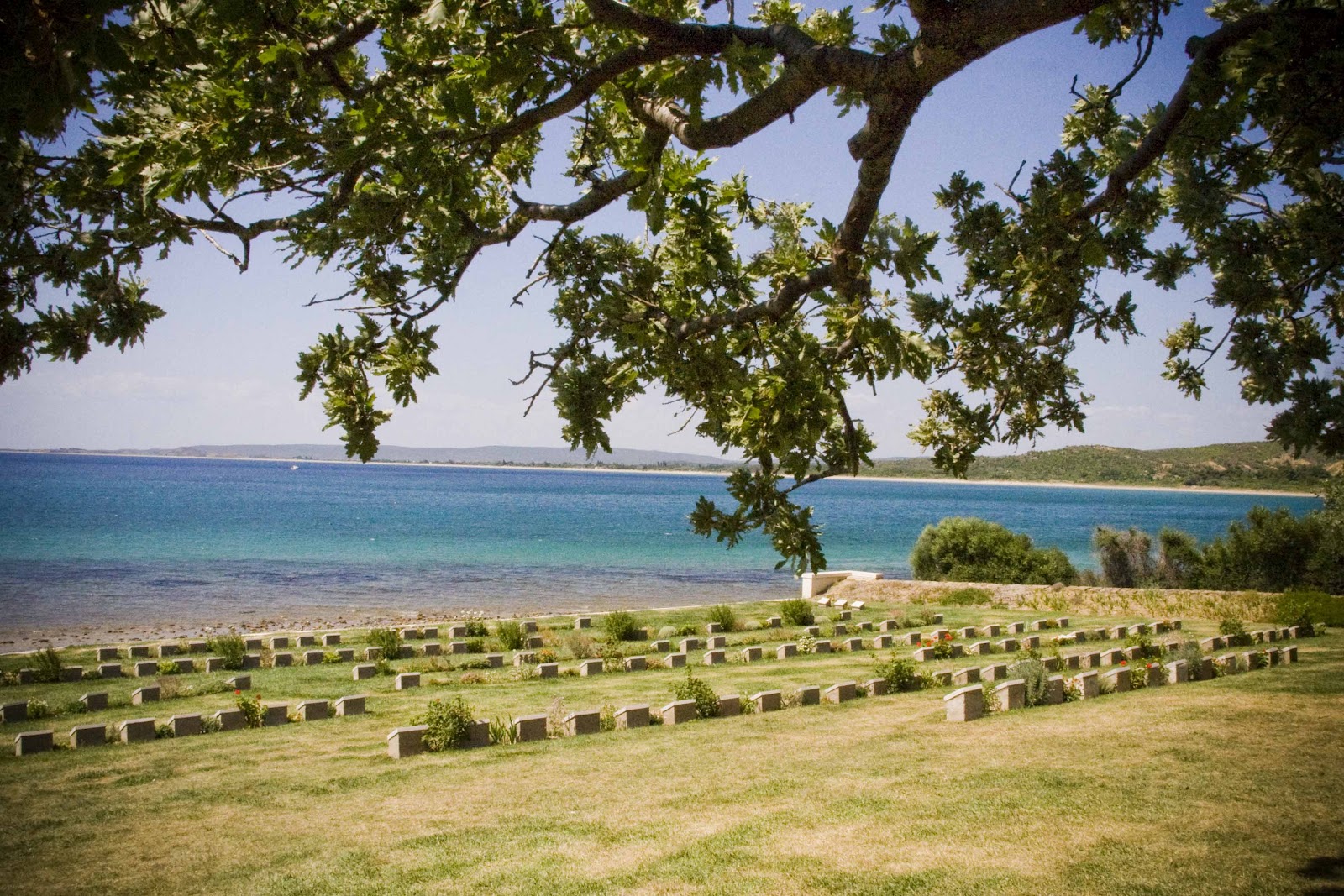
WW1 JOURNALISM AND POETRY TO BE ASSESSED AS PART OF GALLIPOLI 100 COMMEMORATION

5 - Istanbul 17

As part of the Gallipoli centenary commemorations in Kells, Co.Meath – co-sponsored by the Hay/Kells Festival and RTE Radio 1’s The History Show – a day-long conference for the general public on Saturday 25 April, The first draft of history? Journalism and poetry in the Great War, will examine the nature of truth and propaganda in World War 1.

The Gallipoli campaign was one of the few events of the war in which the extent of the mismanagement of the conflict was thoroughly reported by the British press.

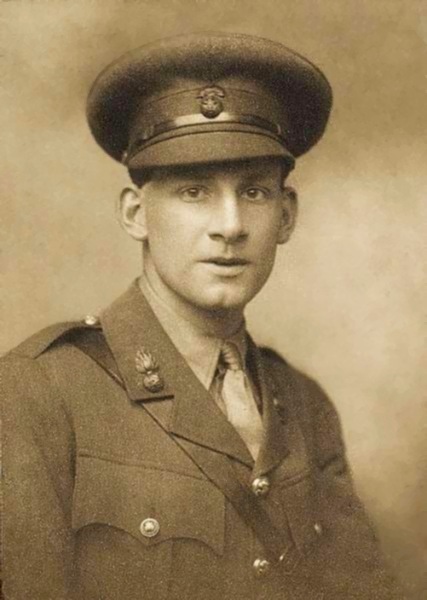
The day will begin with an overview of the journalism of the war by History Show presenter Dr.Myles Dungan, followed by a similar overview of the poetry of the war – where essential truths did emerge – by poet and academic Dr.Nerys Williams of University College, Dublin.

Prof. Fran Brearton of Queen’s University, Belfast will assess the Irish poetry of the war, Dr.Heather Jones of the London School of Economics will discuss the newspapers produced by soldiers themselves in the trenches, Dr. John Borgonovo of University College, Cork will look at contemporary correspondence from soldiers at the front to the Cork Examiner, Dr.Jennifer Wellington of University College, Dublin will examine how the war was reported in Australia and Mark Duncan will make a similar assessment of its treatment in Irish newspapers between 1914-18.

The weekend will also include the inaugural Francis Ledwidge Memorial Lecture to be given by Philip Orr on Friday 24 April, a day of talks on Ireland and Gallipoli on Sunday 26 April and a concert of WW1 music and anti-WW1 songs from Declan O’Rourke at 8.00 on Saturdat 25 April.

FOR MORE INFORMATION CONSULT THE RTE RADIO 1 HISTORY SHOW WEBSITE – http://www.rte.ie/radio1/the-history-show/

FOR TICKETS CALL 046-9240055

Siegfried Sassoon                       Keith Murdoch

Siegfried_Sassoon_by_George_Charles_Beresford_(1915)220px-KeithMurdoch

DAY OF TALKS AND LECTURES TO MARK THE GALLIPOLI CENTENARY- Gallipoli100

NWS_2014-05-17_LIF_016_31588523_I7

As part of the Gallipoli centenary commemorations in Kells, Co.Meath – co-sponsored by the Hay/Kells Festival and RTE Radio 1’s The History Show – a day of talks and lectures for the general public on Sunday 26 April will focus on the Irish involvement in the ill-fated Gallipoli campaign.

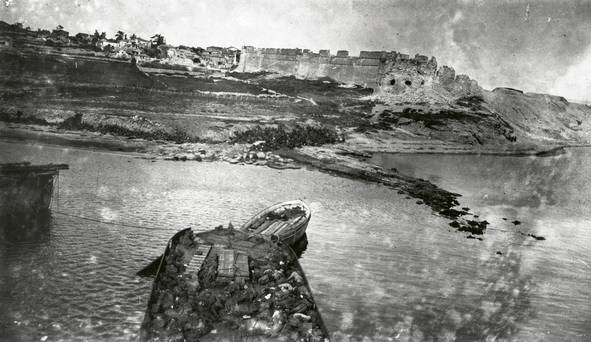
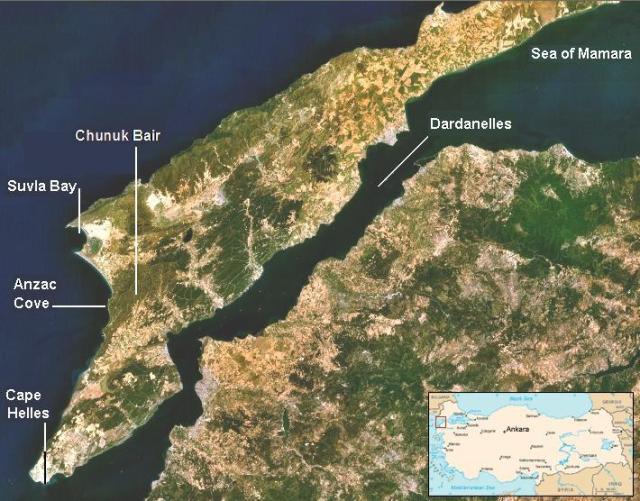
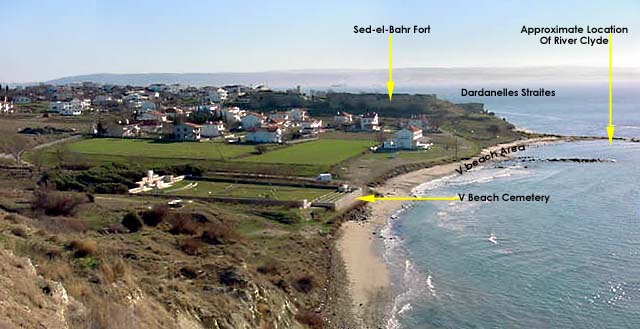
Dr. Conor Mulvagh of University College, Dublin will discuss the ‘biographer’ of the 10th Irish Division, Major Bryan Cooper, Dr. Tomás Irish, Associate Director of the Centre for War Studies in Trinity College, Dublin will examine the role of TCD students in the campaign. RTE cameraman Michael Lee will focus on the terrain of the Gallipoli peninsula itself, historian Philp Lecane will preview his new book on the Dublin Fusiliers and Gallipoli with a talk on the 1st Dublins and 1st Munsters at the ‘V’ Beach landings of 25 April 1915, Dr. John Borgonovo of University College, Cork will analyse the Cork street song Salonika which is indelibly associated with the 10th (Irish) Division, Dr. Jennifer Wellington of UCD will assess the impact of the campaign on her native Australia, Murat Balandi, CEO of Turkish Airlines in Ireland will discuss the effect of the events of 1915 on his native Turkey and Donal McAnallen, Ulster GAA historian will look at the roles played by members of the Gaelic Athletic Association during the war.

FOR MORE INFORMATION CONSULT THE RTE RADIO 1 HISTORY SHOW WEBSITE – http://www.rte.ie/radio1/the-history-show/

FOR TICKETS CALL 046-9240055

Gallipoli_peninsula

On This Day – 3.4.1846 – Death of Michael Moran, aka Zozimus

Zozimus3

The city of Dublin is supposed to be full of ‘characters’ – people you would go out of your way to meet and who will hold forth and entertain you at the drop of a wallet.

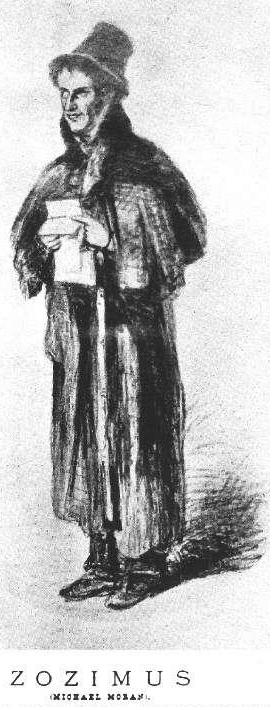
Whether the city deserves such a reputation is a moot point, but most will concede that one Michael Moran, probably born in 1794, was indeed a ‘character’. Better known to us as Zozimus, he was a street balladeer who earned his living from writing and reciting his own poetry and ballads. He did so at a time when the street balladeer was a familiar sight in the city.

Moran, who became blind shortly after birth, had a phenomenal memory and took his stage or ‘street’ name from a 5th century holy man Zozimus of Palestine. He was born in the wonderfully named Faddle Alley near Blackpitts in the Liberties. He travelled the city in ‘a long frieze coat, a greasy brown beaver hat, corduroy trousers’[1] and a good pair of brogues. He was also rarely seen without a large blackthorn stick. While he ranged wide over the city his favourite haunt, where he would deliver his rhymes and recitations near was what was then Carlisle Bridge, now O’Connell St. bridge.

One of his most celebrated verses is his song of praise for poteen ..

O long life to the man who invented potheen –

Sure the Pope ought to make him a martyr –

If myself was this moment Victoria, the Queen,

I’d drink nothing but whiskey and wather.

Even in the first half of the 18th century street performers were constantly being ‘moved on’ or hassled by the constabulary. One Dublin Metropolitan policeman in particular, we only know his number – 184B, had a particular set against Zozimus. The guardian of the law however went too far when he also began harrassing a journalist named Dunphy. To this day sane citizens know that you don’t mess with journalists by the name of Dunphy. The Freeman’s Journal writer and the street poet conspired to make the policeman’s life a misery. Zozimus wrote and regularly recited a verse which went …

How proud Robert Peel must be of such a chap

He stands about five feet nothing in his cap

And his name’s immortalised by me friend Mr.D

A statue must be riz to 184B

Constable 184B subsequently became such an object of scorn on the streets of Dublin that he was forced to resign and, legend has it, his number was retired by the DMP as no one else would take it on.

Zozimus was obsessed with grave robbers and before his death at around the age of 55 asked that he be buried in the well-protected Glasnevin cemetery. He wrote this verse to his friend Stoney Pockets.

Oh Stony, Stony

Don’t let the Sack-’em-Ups get me

Send round the hat

And buy me a grave.

He got his wish, albeit unmarked in a pauper’s plot not far from Daniel O’Connell’s rather more elaborate resting place in the shadow of a round tower. Since the 1960s a memorial marks his final resting place.

Michael Moran, better known as Zozimus, died 169 years ago, on this day.

[1] Frank Hopkins – Hidden Dublin: Deadbeats, dossers and decent skins.

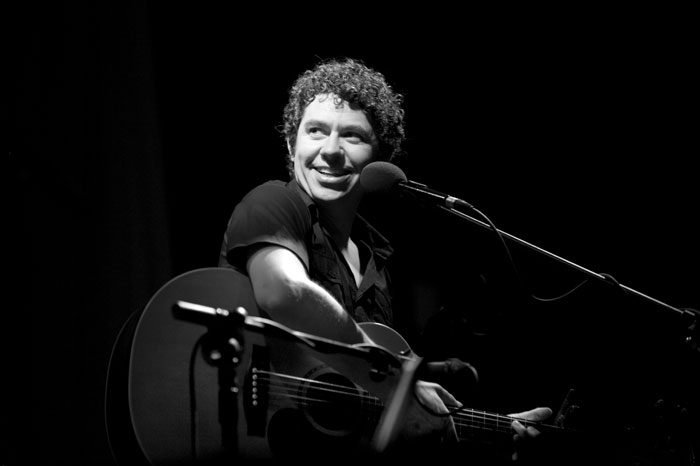
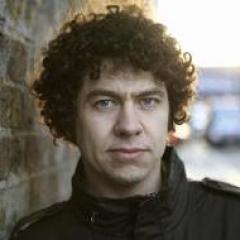
DECLAN O’ROURKE TO PERFORM SELF-PENNED MATERIAL AT GALLIPOLI 100 CONCERT IN KELLS, ON 25 APRIL.

Declan-O-Rourke_bk6vbech1

The Hay/Kells Festival and RTE Radio 1’s The History Show – co-sponsors of Gallipoli100 – are pleased to announce that singer-songwriter Declan O’Rourke will be performing new material on the subject of the Great War at his Gallipoli100 concert in St.Columba’s Church of Ireland in Kells, Co. Meath on Saturday 25 April.

Declan’s evening concert (which kicks off at 8.00 pm) will be the centerpiece of a weekend of events to mark the centenary of the start of the Gallipoli campaign – one of the most tragic episodes of the Great War, particularly from an Irish point of view.

Declan, who was a special guest in one of the five History Show Great War commemorative programmes in the summer of 2014 will perform some of the iconic anti-war works of Eric Bogle as well as a new version of The Foggy Dew and his own unique interpretation of Cormac McConnell’s epic song on the Christmas 1914 truce on the Western Front – as well as much additional material – as part of the evening event Poems of War, Songs of Peace. A number of WW1 poems will be read by Kells-based award-winning Welsh poet Nerys Williams.

FOR MORE INFORMATION CONSULT THE RTE RADIO 1 HISTORY SHOW WEBSITE – http://www.rte.ie/radio1/the-history-show/

FOR TICKETS CALL 046-9240055

declan-o-rourke.preview