A day of American Civil War events at the Hay/Kells Festival 25 June 2015 – www.hayfestival.org/kells 

Abraham_Lincoln_November_1863images

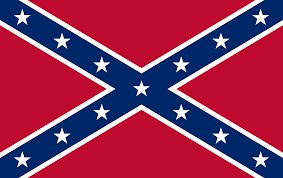
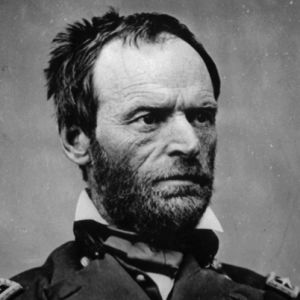
2015 marks the 150th anniversary of the end of the cataclysmic American Civil War. Up to 200,000 Irish-born soldiers participated in this divisive conflict, on both sides. 150,000 fought for the Union in units like the Irish Brigade and Corcoran’s Irish Legion while 20,000 fought for the Confederacy – the most famous of these being Gen. Patrick Ronayne Cleburne, the highest-ranking Irish officer on either side of the conflict.

We will be marking this anniversary with a day of talks and music at the 3rd annual Hay/Kells Festival on 25 June. We are delighted that we have managed to get together the acknowledged experts in this field and will be putting them under one roof for the day – the roof in question is that of St. Columba’s Church of Ireland, Market Street Kells, host to the recent Gallipoli 100 weekend of commemorative events.

The line up for the day includes …

10am: Damien Shiels
Damien Shiels is author of the definitive and highly influential work The Irish in the American Civil War.

11am: Glen Gendzel
American historian Glen Gendzel talks about the story of California in the American Civil War.

12pm: Robert Doyle
Robert Doyle tells the story of Carlow-born Civil War veteran Myles Keogh on the anniversary of his death at the Battle of the Little Bighorn in 1876.

2pm: Myles Dungan
The presenter of the RTÉ Radio 1 History Show will highlight the life of Oldcastle Civil War veteran, the author and journalist Charles Halpine, and his hilarious creation Myles O’Reilly.

3pm: Tom Bartlett
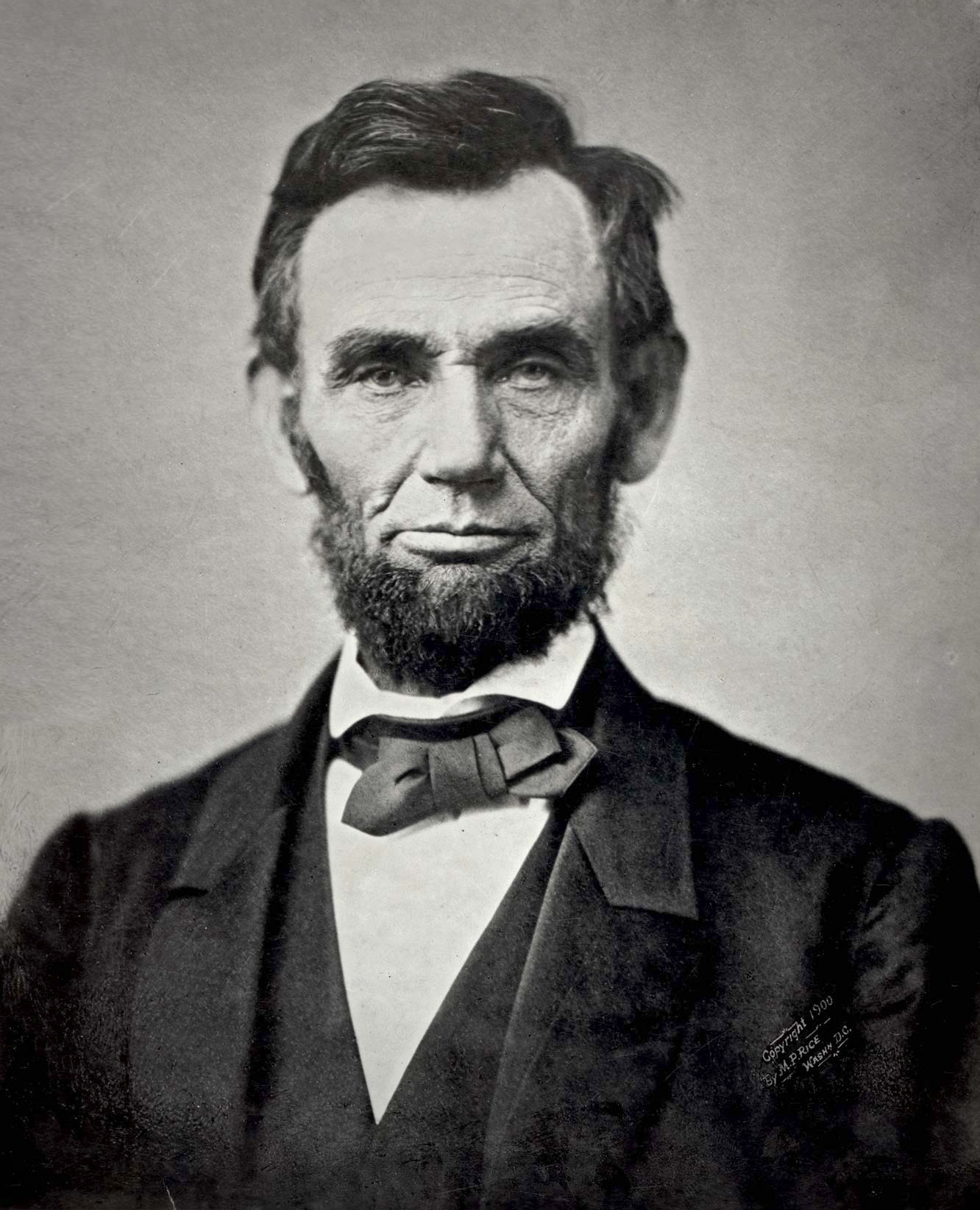
Thomas Bartlett of Aberdeen University talks about President Abraham Lincoln and the Civil War.

4pm: David Gleeson
David Gleeson (The Green and the Gray) looks at the Irish who fought for the Confederate States of America between 1861 and 1865.

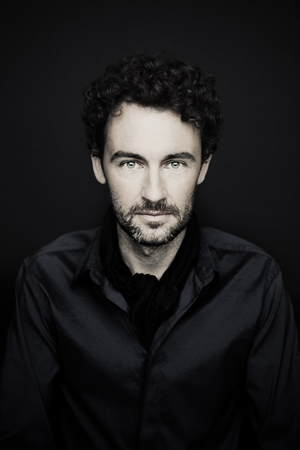
At the same venue at 8.30 Myles Dungan combines forces with Matthew Gilsenan of the Celtic Tenors in The Blue, the Gray and the Green an evening of Irish music associated with the American Civil War. This will include classics like Paddy’s Green Shamrock Shore, He is far from the land, No Irish Need Apply, Paddy’s Lamentation, Shenandoah, When Johnny comes marching home and many more.

Matthew_sm

You can book for all the events on 046 9240055 / 9240081- or via the Hay Festival / Kells website here

If these guys could be there you can be sure they would …

MTE1ODA0OTcxNzg0NjM1OTE3images

On This Day – Drivetime – 5 June 1916 – The death of Lord Kitchener

world war propaganda_Britons Lord Kitchener Alfred Leete 1914 example_big

A number of highly significant Irishmen died violently in 1916 – Patrick Pearse, Tom Clarke, James Connolly and their associates to name but a few who were shot in May. Pacifist Francis Sheehy Skeffington had been summarily executed during the Rising. His brother in law Tom Kettle, barrister, poet and former MP followed them all in September when he died at the Battle of Ginchy on the Western front.

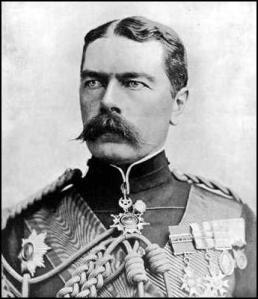
In between, another famous Irishman came to an unfortunate end. However not many people realise that Herbert, Lord Kitchener, hero of Omdurman, scourge of the Boers and Secretary of State for War in the British Cabinet was actually Irish. It was not something he tended to highlight himself.

But he was, in fact, as much a Kerryman as Mick O’Dwyer or John B.Keane. He was born Horatio Herbert Kitchener on 24 June 1850 in Ballylongford, near Listowel. His father, Lt.Col. Henry Horatio Kitchener, had purchased land under the terms of the Encumbered Estates Act designed to buy out bankrupt property owners after the Famine – so a sort of 19th century NAMA.

Kitchener left Kerry at the age of fourteen when the family moved to Switzerland for the health of his ailing mother. The future war lord nurtured a similar attitude to his native land as had that other great 19th century military figure, the Duke of Wellington, who allegedly observed of his Irish birth that, ‘being born in a stable does not make one a horse’. His dislike of the Irish, of course, did not stop Kitchener, like a lot of other Anglo-Irish grandees with a minimal knowledge of the country of their birth, from claiming to have an informed insight into how the country should be governed. Kitchener was for lots of stick and very little carrot.

Not that his counsel on the subject would have been widely canvassed. Kitchener made his reputation in faraway wars, starting with the Sudan and his victory at the Battle of Omdurman in 1898. There he showed his compassionate side by digging up the remains of the Mahdi, slayer of General Gordon in the 1880s humiliation of Khartoum, and having his bones scattered. Even Winston Churchill, not renowned for his squeamishness, who was covering the war as a reporter, was disgusted with the slaughter of, in particular, Sudanese prisoners.

The de facto Kerryman also made his presence felt in the Boer War where his scorched earth policy and his creation of concentration camps brought the Boers to their knees in the most ruthless possible fashion. Kitchener didn’t have much time for uppity colonials.

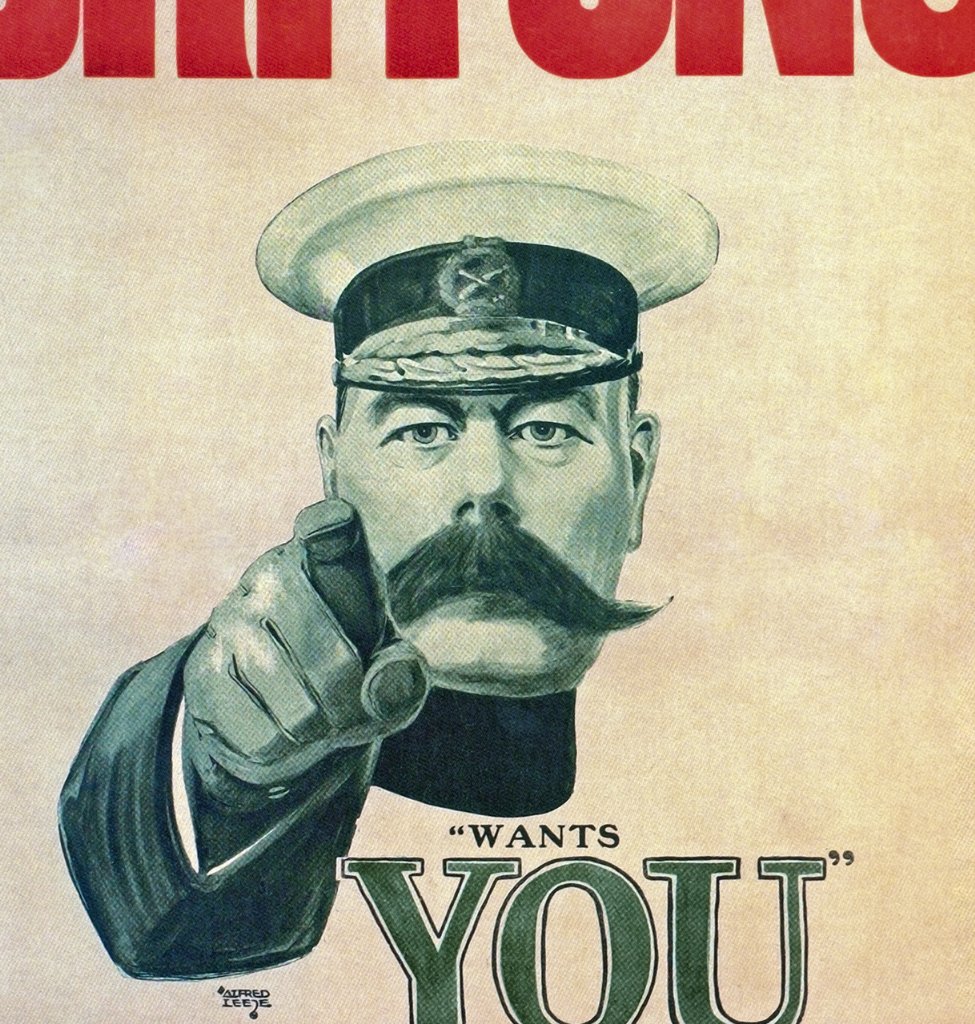
When WW1 broke out Kitchener was quickly appointed Secretary of State for War and his iconic moustache and index finger were used as recruiting devices on the famous ‘Your country needs you’ posters.’

In a final gesture of solidarity with his native land Kitchener refused all requests for the incorporation of the southern Irish Volunteers as a unit into his New Army, despite the passage of the Home Rule act before hostilities commenced. The Ulster Volunteers however, signatories of a covenant pledging opposition to a democratic decision taken by the British parliament, became the 36th Ulster division. Consistency to Kitchener was as dangerous a vice as sentimentality.

Kitchener, who harboured a pathological hatred of journalists probably owed his appointment to the Cabinet in 1914 to a newspaper campaign designed to force the Liberal government to put this crusty old Tory in charge of the Army and Navy. Having created him the newspapers of the Press Baron Lord Northcliffe, the Dublin born Alfred Harmsworth from Chapelizod, sought to undo their own handiwork when they campaigned against him in 1915, blaming the Secretary of State for War for a chronic shortage of shells on the western front. The public sided with the most famous moustache in history and burned copies of the Times and Mail in the streets.

In June 1916 Kitchener set sail for talks in Russia on board the HMS Hampshire. The ship hit a German mine and sank, taking the Secretary of State for War with it. The reluctant Kerryman died 99 years ago, on this day.

FWWkitchener3

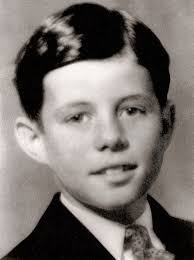
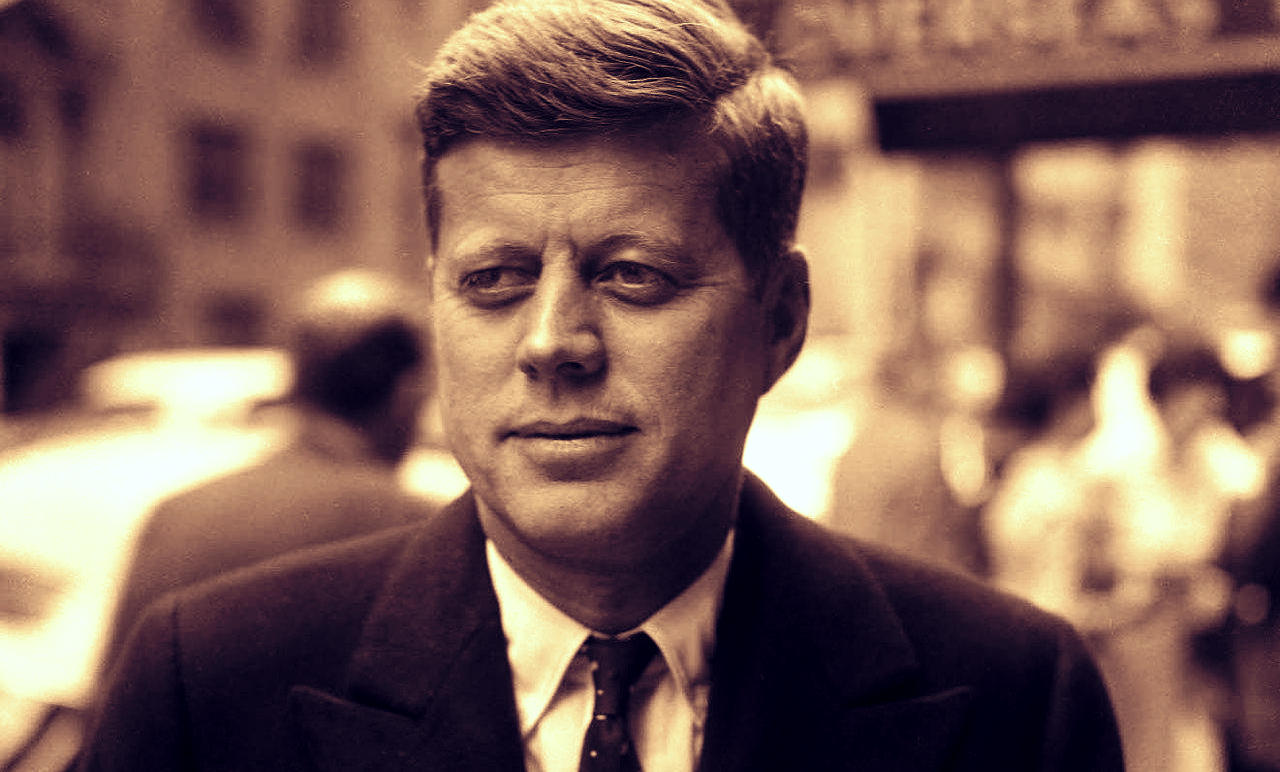
On This Day – 29.5.1917 Birth of John F.Kennedy

John_F_Kennedy-HUnknown

It’s one of the most popular ‘what ifs’ of the last fifty years. ‘What if it had been raining on 22 November 1963 in Dallas?’

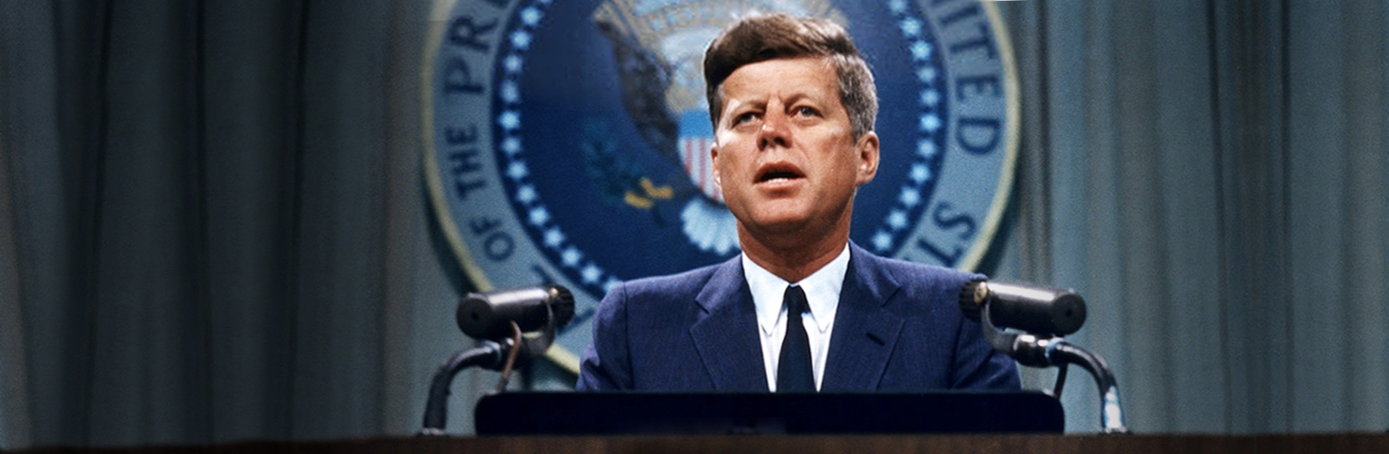
Obviously there would have been no Presidential open-top motorcade and Lee Harvey Oswald – or the Mafia, or the man on the grassy knoll, or the four French hired assassins from Marseilles, or whatever other conspiracy theory you subscribe to – would have been denied the opportunity to demonstrate his or their peerless marksmanship and John Fitzgerald Kennedy, 35th President of the United States of America, would probably have seen out his first term and been re-elected in November 1964.

JFK was originally elected with just over 49% of the popular vote in the 1960 race for the White House with Richard Nixon. While in office his popularity rarely dipped below 60%. After the Cuban missile crisis his ratings were in the high 70s. In a poll of 1960 voters taken after his death 70% claimed to have chosen him as President.

Of course there’s another great ‘what if’ when it comes to the career of John F.Kennedy. What if his older brother Joseph Kennedy Jr, had survived World War 2? Would John F have become Bobby, his older sibling’s loyal Doberman, rather than Senator and President?

He was arguably, the first conscious political ‘brand’. With iconographers like Theodore Sorenson and Pierre Salinger cultivating and honing the Kennedy narrative he could hardly fail. Fifty years later he is a mythic figure. Myth=branding + time.

But the skein of myth is easily unravelled.

For example, he wasn’t even the youngest American president. When Theodore Roosevelt took over the office after the assassination of William McKinley in 1901 he was nine months younger than Kennedy.

And his credentials as a supposed political progressive don’t stand up to too much examination. In 1957 he opposed Eisenhower’s civil rights legislation. He persisted, when in office, with the Democratic party practice of appointing dodgy judges to federal courts in the south. One such JFK appointee, a man called Harold Cox, once described African Americans as ‘chimpanzees’ after he had been elevated to the federal bench.

During his first term as a senator Kennedy teamed up with the darling of the Republican right, Barry Goldwater, to try and keep rock and roll music off American radio stations. He presided over the assassination of a supposed ally (and fellow Catholic) in Ngo Dinh Diem, beleaguered president of South Vietnam.

But he also achieved a lot of good in a very short life

Take just one month of his Presidency – June 1963. On June 10 this apparent cold war warrior made a major foreign policy speech at the American University in Washington DC. In a world dominated by ideas of mutually assured destruction he appeared to extend an olive branch to the Russians.

The following day, after Governor George Wallace of Alabama was forced by Federal intervention to, quite literally, step aside and allow two African American students pass into the campus of the University of Alabama, Kennedy made a largely improvised address on national radio and TV, promising equal access to public schools and enhanced voting rights, to African American citizens.

Then on 26 June he made his famous ‘Ich bin ein Berliner’ speech (the ‘ein’ was superfluous) a short time after viewing the newly erected Berlin wall. Oh, yes, and, of course, he dropped into Ireland for four days on his way home.

Not a bad month’s work really.

John Fitzgerald Kennedy, 35th President of the USA, was born 98 years ago, on this day.

john-f-kennedy

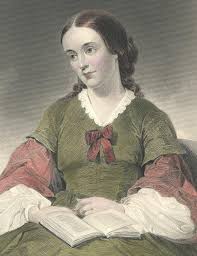
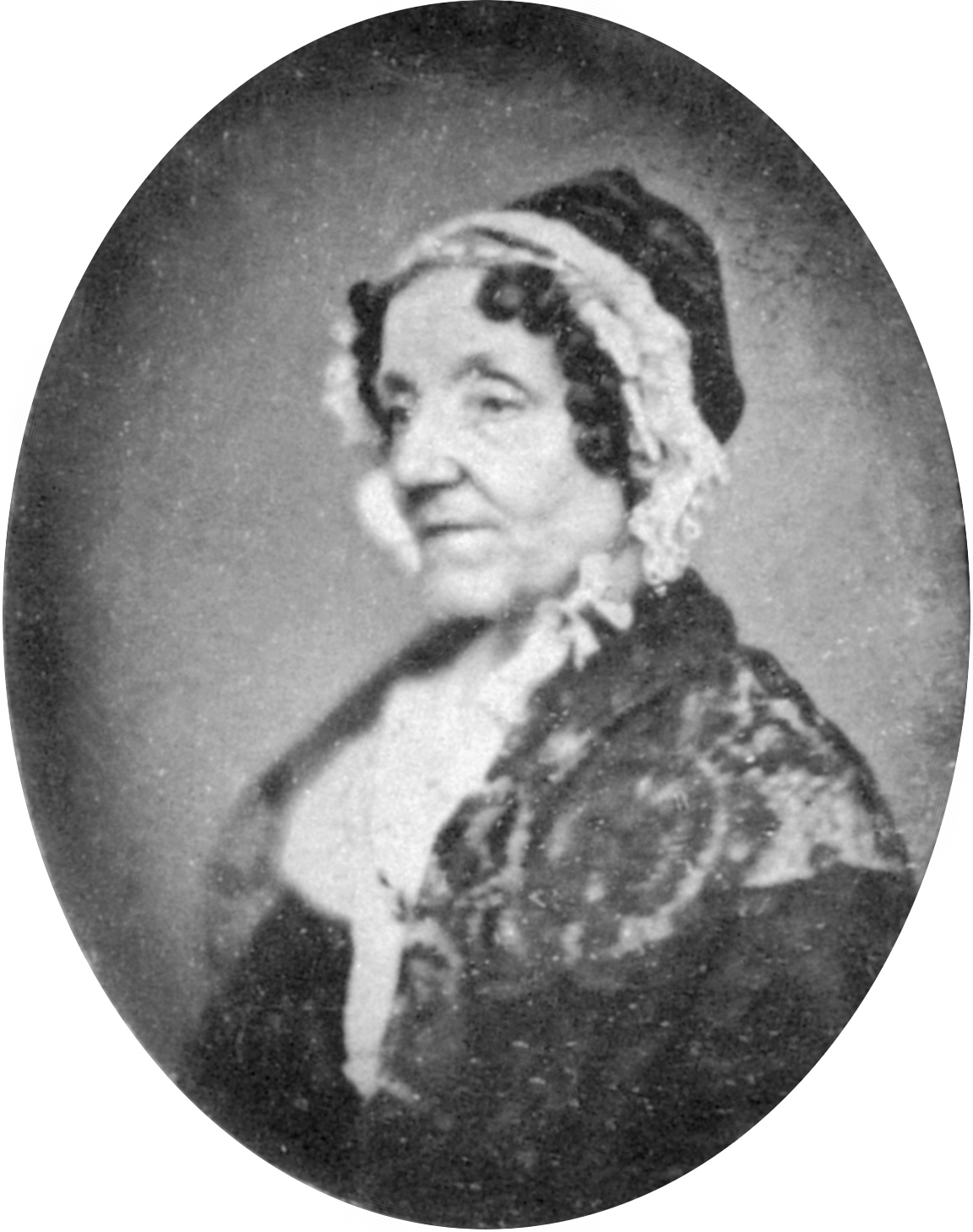
On This Day – Drivetime – 22.5.1849 Maria Edgeworth dies

UnknownMaria_Edgeworth,_by_Richard_Beard

She didn’t have a lot of time for Jane Austen, she earned more money from her books than did the Queen of Irony during her lifetime. She was a frequent correspondent of Sir Walter Scott, another celebrated contemporary. She was also hugely important in the development of the novel and of children’s writing. Not bad for a woman who spent much of her life in rural Longford.

Maria Edgeworth, although seen as an Irish novelist, was actually born in England, the second of 22 children of her father Richard Lovell Edgeworth, who was married four times. She moved to Ireland with her father at the age of five, after the death of her mother. She spent much of her teenage years looking after her younger siblings and was, essentially, educated by her father whom she also assisted in managing the family estate at Edgeworthstown. Her father was a huge influence, some would say far too great an influence, on her writing. She claimed to have written only to please him.

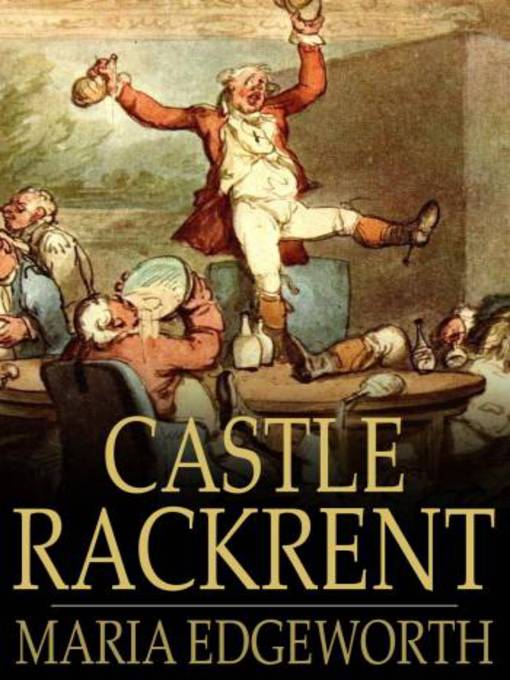
Edgeworth adopted what would today be identified as liberal causes in her novels. She championed the underprivileged of her adopted country and sought to counteract English literary stereotypes of Ireland in her work. In addition she parodied elements of her own landed class, especially in her best known work, the often hilarious Castle Rackrent – written without her father’s knowledge – where the worst excesses of landlordism are satirized. In much of Edgeworth’s the peasantry are dignified, the aristocracy rapacious. In her work Letters for Literary Ladies she pleaded the case for the proper education of women. Later, in the novel Helen, – written after her father’s death and not set in Ireland -she introduced a female politician to English literature

Castle Rackrent, her first novel, published in 1800 was an instant success. Narrated by an employee of the Rackrents, Thady Quirk, it predicts the rise of the Catholic middle class. The novel, actually not much more than a novella, brought her to the attention of Sir Walter Scott. The two writers became friends and visited each other in Ireland and Scotland.

Such was the nature of her writing that in 1798, after the defeat of the French invasion in the west of Ireland the windows of Edgeworth House were stoned because the family was suspected of having radical sympathies. In fact Edgeworth was a supporter of the Union, but also an advocate of Catholic Emancipation.

While Jane Austen was a great fan of Edgeworth’s the admiration was not entirely mutual. Austen sent Edgeworth a presentation copy of Emma in 1816. Edgeworth was not impressed with a novel that now ranks behind only Pride and Prejudice as Austen’s greatest achievement. The gift went unacknowledged and Edgeworth wrote to a friend about Emma that ‘It has no story’.

She wrote little from the 1820s onwards, concentrating on the management of the family estate. Then, in 1845, when she was in her late 70s the disaster of the Great Famine struck. Unlike many other landlords, who adopted a callous attitude to their starving tenants, Edgeworth was one of those who worked selflessly for her tenants. With her own money she purchased food from the USA which was distributed amongst her tenantry and others. The Edgeworth’s estate barely avoided bankruptcy and being purchased by carpetbaggers under the terms of the Encumbered Estates Act. Her compassion has, however, been somewhat exaggerated as her charity only extended as far as tenants who had paid their rent.

Maria Edgeworth, educationalist, farm manager, essayist and novelist, died 166 years ago, on this day.

castlerackrent1

OTD – 8.5.1597 Death of Fiach McHugh O’Byrne

111

Curse and swear, Lord Kildare,

Fiach will do what Fiach will dare

Now Fitzwilliam have a care,

Fallen is your star low

Up with halbert, out with sword,

On we go for, by the Lord

Fiach McHugh has given the word

“Follow me up to Carlow”

So goes one of the best known songs in the Irish traditional canon, although it was written many years after the events that chorus describe.

To suggest that Wicklow chieftain Fiach McHugh O’Byrne was a thorn in the side of the Tudor dynasty in Ireland would be to exaggerate hugely the impact of a thorn. O’Byrne was nuisance and nemesis rolled together.

He was born in 1534 and became chieftain of the O’Byrne clan in his mid forties. One of the main reasons why he was so little beloved of British administrators in Ireland was because of his geographical proximity to the Pale. Whenever O’Byrne chose to do so he didn’t have far to go to bite off a piece of Tudor Dublin. And he chose to do so on a regular basis.

Retaliating against him was not quite as straightforward. There was no M11 or GPS in the 1500s so the Tudor armies sent against him had to make do with whatever tracks they could find and had to waste many frustrating days searching in vain for Fiach.

When Red Hugh O’Donnell and Art O’Neill made their celebrated escape from Dublin Castle in 1592 it was to Glenmalure, O’Byrne’s main redoubt, that they headed. Art O’Neill didn’t make it but a frostbitten Hugh O’Donnell did. O’Byrne sheltered him and sent him back to his people in Donegal, from where he made quite a nuisance of himself, along with Hugh O’Neill in the Nine Years War.

O’Byrne also made himself useful with the Earls of Kildare, who often had an ambiguous relationship with the English crown. Fiach once peremptorily hanged an important witness to a threatening government investigation into the affairs of Gerald Fitzgerald, 11th Earl of Kildare. Bumping off hostile witnesses didn’t start with the Mafia.

In 1580, during the Desmond rebellion the Lord Lieutenant, Lord Grey, led an army against the O’Byrnes. His plan was to attack Glenmalure. Like many a good plan brought to bear against Fiach it failed miserably and Grey was forced to withdraw to Dublin with serious losses. The Battle of Glenmalure was O’Byrne’s greatest triumph against the forces of Queen Elizabeth 1.

Sadly, Fiach came to a bad end in 1597. He threw in his lot with O’Neill and O’Donnell in the Nine Years War – in an engagement with English troops, assisted by some renegade members of his own clan, Fiach was captured and summarily beheaded with his own sword. His body was then cut up, and the head and quarters were hung on pikes on the Dublin Castle walls ‘pour encourager les autres’. Later his head was pickled and brought to London. A sad end for a redoubtable enemy of Tudor England.

Fiach McHugh O’Byrne, one of the last great Gaelic chieftains, died 418 years ago on this day.